The Hardware Doesn’t Lie: Reading Zippers, Rings, and Stitch Counts Like a Hong Kong Bagmaker
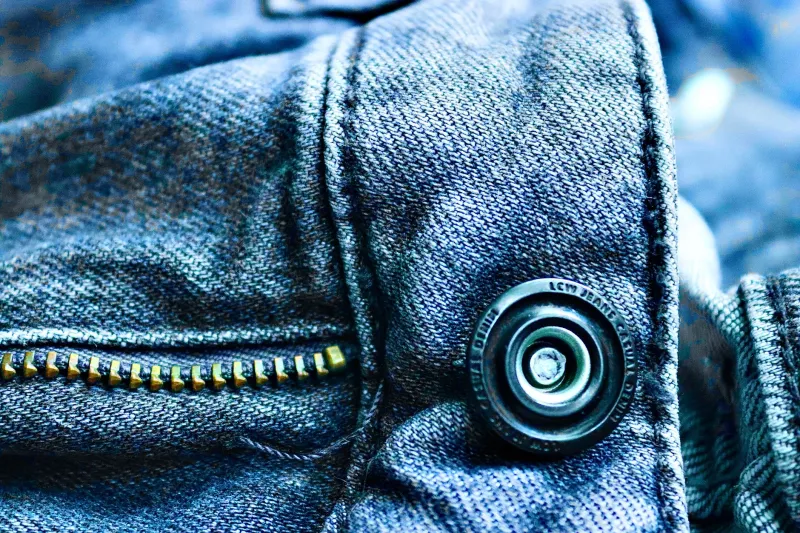
A zipper is not a detail. On a well-made bag, it is the argument. The same goes for a buckle, a D-ring, the lining you barely see, and the stitch count you only notice when it starts to fail. Fast-fashion accessories often look right at arm’s length because the visible parts get the budget. Hong Kong’s small workshops tend to work the other way: they start with the parts that carry load, open and close, and rub against a coat sleeve for years.
In the studios around Sham Shui Po, Kwun Tong, and Wong Chuk Hang, hardware is treated as structure, not trim. That makes it a useful lens for US shoppers buying online from halfway around the world. You cannot touch the bag through a screen, but you can learn what to ask for—and what a photo is quietly revealing.
Start With the Zipper, Because Everyone Else Doesn’t
Mara Chan, a leatherworker in Sham Shui Po, says most shoppers pull a zipper once, hear a smooth zip, and move on. She does the opposite. She opens and closes it a dozen times, checks the tape for ripples, runs a thumb along the teeth, and looks at how the slider sits when the bag is empty and when it is packed.
A zipper is a system: teeth, tape, slider, pull, and the seam that holds it to the bag. Chan prefers metal or coil zippers from established Japanese suppliers for daily bags, not because the brand name matters to the shopper, but because the tolerance is consistent. A stiff tape can make even good teeth feel cheap. A flimsy slider can misalign after a few months. A zipper that catches at the curve is usually fighting the seam, not the teeth.
For online shoppers, ask for a close-up of the zipper pull and the tape. If the tape looks shiny, rigid, or puckered along the stitch line, keep asking questions. If the maker can tell you why they chose that zipper—metal for structure, coil for flexibility, a particular slider for a curved opening—you are usually talking to someone who has thought past the sample stage.
The Buckle and D-Ring Are Load-Bearing, Not Decoration
Tse Wing runs a small hardware-finishing operation in Kwun Tong. He has a simple test for D-rings: if the ring is split rather than welded, it is a question mark. A split ring can be fine on a keychain. On a shoulder bag, it is a failure point waiting for a heavy commute.
He also separates solid brass from plated zinc by weight and feel. Solid brass develops a patina and can be polished; plated hardware can flake at the edges where the strap rubs. That does not make every plated piece bad, but it does mean the shopper should know what they are buying. On a buckle, check that the prong sits centered and the frame has no sharp edges. On a D-ring, look at the seam where it meets the bag. A small leather tab is not enough if the ring itself is thin or the stitching stops short of the stress point.
Tse’s rule is blunt: hardware should feel slightly boring. No burrs, no wobble, no mystery metal. A good D-ring does not announce itself. It just refuses to become the reason you replace the bag.
Linings and Stitch Counts: The Quiet Evidence
Ling Lau makes bags in Wong Chuk Hang and is particular about the inside. She wants a lining that is attached separately, not glued flat to the leather. A separate lining moves with the bag and can be repaired. A glued lining can bubble, crack, or trap moisture. She also looks for enclosed seams and a clean base, because the inside of a bag is where shortcuts tend to hide.
Stitch count is the other quiet signal. Lau aims for roughly 10 to 12 stitches per inch on leather and 8 to 10 on canvas, depending on the material and thread weight. More is not automatically better—too many stitches can perforate leather—but inconsistency is a warning. Look for even spacing, locked ends, and no loose tails. On straps and handles, bar tacks or rivets should reinforce the stress points, not replace the stitching entirely.
Edge paint is worth a look, too. Good edge paint is applied in thin coats and stays slightly flexible. If it looks like a thick plastic shell, it may crack where the bag bends. If the maker shows a photo of the edge and the seam together, that is a good sign. It means they expect you to look.
The In-Person Checklist
- Zip the bag slowly. It should feel smooth through the curve, with no catch and no rippled tape.
- Hold the hardware. D-rings should be welded or solid, not split. Buckle prongs should sit centered.
- Turn the bag inside out. The lining should be cleanly attached, with no glue smell and no raw edges.
- Count a small stretch of stitches. Even spacing matters more than a dramatic number.
- Flex the edges. Edge paint should move with the material, not crack like paint on a wall.
- Check the stress points. Strap anchors, zipper ends, and handle bases should have bar tacks or rivets.
- Ask about repair. A maker who can replace a zipper or re-stitch a strap is selling you a longer relationship.
The Photo Checklist
Product photos can hide a lot, but they can also give you a paper trail. Look for a close-up of the zipper pull and tape, a straight-on shot of the D-ring seam, and at least one image of the inside lining. Hardware should reflect light cleanly, without pits or flaking. Stitch shadows should look regular. If the listing shows only the front of the bag, ask for the rest. A maker who can show the guts is usually proud of them.
A short video of the zipper being opened and closed is even better. It tells you more than a dozen styled shots. So does a scale reference: a card case next to a hand, a tote next to a chair. In 2026, US shoppers have more access to small overseas studios than ever, but access is not the same as inspection. Ask for the boring photos.
What This Means for US Shoppers
You do not need to memorize hardware brands or carry a loupe to a store. You need to ask better questions. Who made the zipper? Is the D-ring welded? What is the lining attached with? How many stitches per inch, and why? The answers do not have to be technical perfection. They just have to show that someone thought about the parts that fail.
A $180 bag with a $4 zipper is not a $180 bag. A $90 pouch with solid hardware and clean seams can be the better buy. Craft is not a price tag; it is evidence. And the evidence usually starts with the small, unglamorous parts that keep a favorite accessory in rotation long after the trend cycle has moved on.