Stop Replacing Your Accessories: What Hong Kong’s Repair-First Makers Know
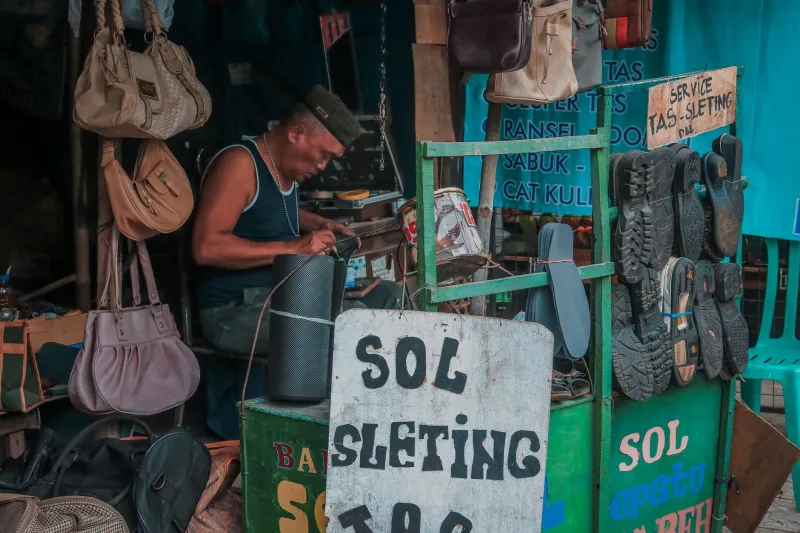
Most of us have a drawer like this: a tote with a frayed strap, a silver chain with one broken link, a laptop sleeve whose zipper gave out after a year. In the US, the default move is replacement. The accessory was affordable, the repair is inconvenient, and the next version is already on sale.
Hong Kong’s small-batch makers tend to see that drawer differently. For them, repair is not a nostalgia project or a lifestyle badge. It is a design requirement. If a bag cannot be fixed, it was never really finished. That attitude is worth borrowing—especially now, when so much fashion is priced to be replaced and built to make repair feel impossible.
I looked at how three Hong Kong artisans—a leatherworker, a silversmith, and a canvas sewer—approach construction and aftercare. None of them are anti-purchase. They are anti-disposable. And their work offers a practical checklist for US shoppers who want accessories that stay in rotation longer than a trend cycle.
The Leatherworker: Build for the Second Owner
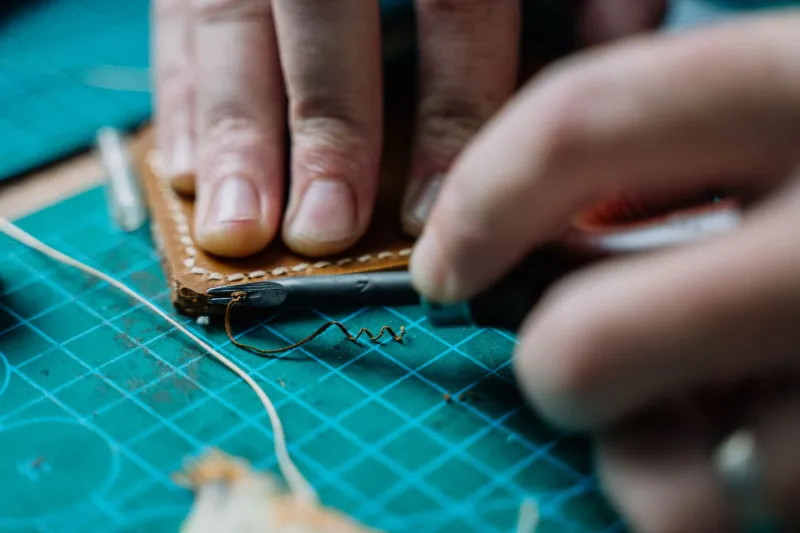
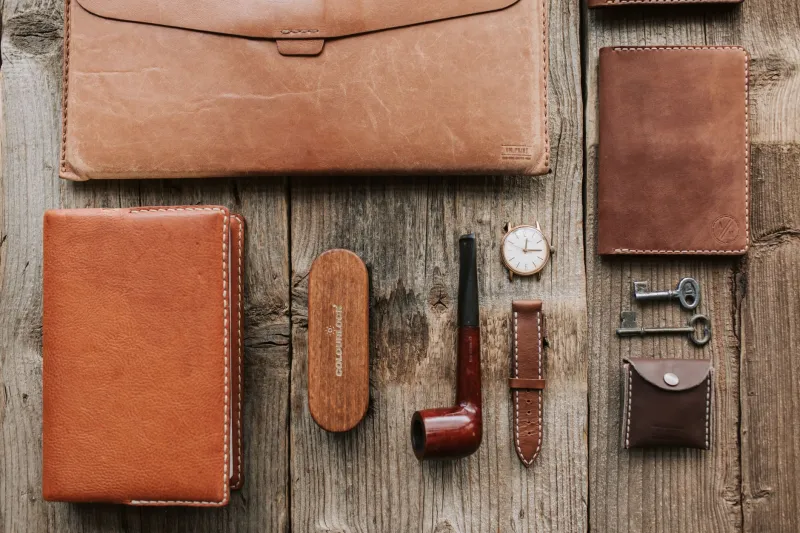
A leatherworker in Sham Shui Po runs a tiny bench studio where almost everything is cut, skived, and saddle-stitched by hand. Her bags are not precious in the way luxury marketing usually means. They are practical: full-grain leather, solid brass hardware, and linings that can be opened without destroying the shell.
Her repair policy is simple. If a strap fails, she replaces it. If a lining wears through, she opens the bag, patches it, and closes it again. If the hardware tarnishes, it can be polished or swapped. The goal is not to keep the bag looking new. The goal is to keep it usable.
That changes how you evaluate a bag at checkout. The tell is not a logo; it is access. Can a cobbler reach the zipper tape? Is the strap attached with screws or rivets that can be replaced? Are the edges finished in a way that can be refinished? A bag built for the second owner is usually built for the tenth year, too.
The Silversmith: Make the Clasp the Strongest Part
A silversmith working above a jewelry supply street in Hung Hom takes a similarly unsentimental view. Plated brass is hard to repair because the finish is the surface. Once the plating wears, the base metal shows, and re-plating is often more expensive than replacing the piece.
Solid silver behaves differently. It can be re-soldered, re-polished, and re-tipped. A broken link is a bench job, not a landfill sentence. Her chains are made with soldered links and clasps that are thick enough to survive daily wear. She also offers cleaning and link repair for pieces she made, which sounds old-fashioned until you realize how rare it has become.
For buyers, the questions are straightforward. Is the clasp solid or plated? Are the links soldered or merely folded? Will the maker repair a chain they made, and will they do it after the warranty period? A repair-first silversmith will answer those questions without flinching.
The Canvas Sewer: Seams That Can Be Opened
A canvas sewer in Kwun Tong makes waxed-canvas sleeves and pouches with bonded nylon thread and a deliberate repair allowance. That means the seams are not so tight or so sealed that a future fix becomes impossible. Zippers are standard sizes. Patches come from the same fabric run. The construction assumes that something will eventually wear out.
This is where mass-market office and travel gear often fails. Heat-sealed seams, glued edges, and molded closures look clean, but they cannot be opened. A $30 sleeve with a broken zipper becomes a $30 sleeve with a broken zipper. A small-batch sleeve with a replaceable zipper becomes a sleeve you keep.
Look for stitch density, accessible seam allowance, and hardware that a local repair shop can source. If the maker can explain what will fail first and how they will fix it, you are probably looking at a piece worth buying.
How to Spot a Fixable Accessory Before You Buy
- Ask what fails first. A good maker knows the weak point and can tell you how it is addressed.
- Check the hardware. Solid brass and stainless steel are repairable. Plated mystery metal is often not. Standard zipper sizes make future replacement easier.
- Look at the seams. Can they be opened? Is there enough seam allowance for a repair? Glued or heat-sealed construction is a red flag.
- Ask about the repair policy. Lifetime repair is great, but so is a clear paid-repair option with a realistic turnaround.
- Check the material. Full-grain leather, solid silver, waxed canvas, and dense wool felt age and repair well. Bonded leather, plating, and thin synthetics usually do not.
- Ask if the lining is replaceable. Linings fail before shells do. A replaceable lining extends the life of the whole piece.
- Avoid molded closures. If the closure is a single molded plastic part, a small break can retire the accessory.
A Short Care Guide for Handmade Goods
- Clean less. Spot clean rather than over-washing. Harsh cleaning shortens the life of leather, wool, and waxed canvas.
- Condition leather sparingly. A little conditioner goes a long way. Over-conditioning can soften structure and attract dirt.
- Store silver dry. Use an anti-tarnish pouch or a dry box. Moisture is the enemy of polish and solder joints.
- Brush canvas dry. Remove dust with a soft brush. Re-wax only when the surface starts to look thirsty.
- Rotate your accessories. Give leather and canvas a day off between heavy uses so they can dry and recover.
- Keep the repair card. If the maker provides care instructions or a repair contact, keep it with the piece.
- Photograph wear before DIY. A quick photo helps the maker assess the repair and prevents you from making a small fix into a bigger job.
The Upgrade Is a Relationship
Repair-first shopping is not about buying less for the sake of a virtue signal. It is about buying with the end in mind. A fixable accessory costs more attention up front—questions at checkout, care along the way, a repair every few years—but it usually costs less over time than a carousel of replacements.
For US shoppers, the takeaway is not to chase a particular Hong Kong label. It is to demand evidence of repairability before you hand over a card. Ask about seams, hardware, and aftercare. If the answers are vague, believe the construction, not the marketing. The most radical wardrobe upgrade in 2026 may be the bag you already own, finally fixed by someone who knows how.