Two Blacks Walk Into a Closet: A Field Guide to Dye Lots in Hong Kong Leather Goods
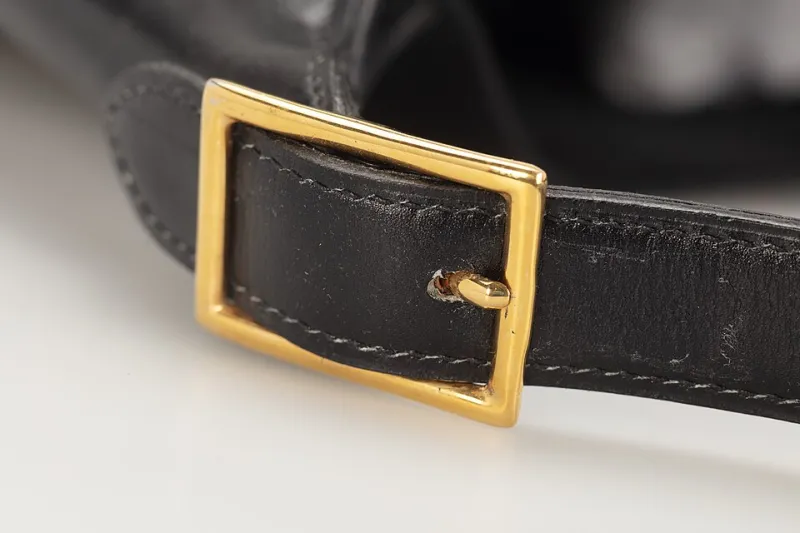
Photo: Hermes, No restrictions, via Wikimedia Commons
You finally did the thing. You bought the black bag. Then, because you are a person with a plan, you bought the black belt from the same small Hong Kong studio. They arrive. They are... not the same black. One looks soft and inky. The other looks almost green in the hallway light. You hold them together and wonder if someone made a mistake.
Nobody did. What you are looking at is a dye lot.
What a Dye Lot Actually Is
A dye lot is a batch. That is it. When a tannery or mill dyes leather, canvas, or thread, they do it in runs. Everything dyed in that run is a lot. The next run starts fresh: new measurements, new water, maybe a new drum of dye, definitely a new day. Even with the same recipe, the result can shift a little. Leather is a natural material. Hides absorb dye differently depending on the animal, the tanning, the finish. Canvas takes dye differently than leather. Thread takes it differently again.
Large fashion brands solve this by blending lots. They dye enormous quantities, then mix pieces from different batches so the finished goods look uniform on the shelf. Small-batch makers do not have that luxury. A Hong Kong workshop might make twenty bags from one hide and forty belts from another. If the belt leather came from a different tannery or a later dye run, the blacks will not be twins. They will be cousins.
Why This Shows Up So Often in Hong Kong Goods
Hong Kong's accessory studios tend to work in limited runs. That is part of the appeal. You are not buying the ten-thousandth unit off a container ship. You are buying something made in a room by people who know the difference between a warm black and a cool black. But limited runs mean limited dye lots. A maker might buy five hides at a time. When those are gone, the next five might be a half-shade off. The same goes for the waxed canvas on a tote or the nylon thread on a wallet. The thread is often dyed separately from the leather, which is why a black bag can have stitching that reads slightly blue or brown.
This is not a Hong Kong problem. It is a small-batch reality. It just becomes visible when you buy two pieces from the same studio and expect them to match like they came off a rack at a mall.
The Three Colors That Trip People Up
Black, navy, and brown are the usual suspects. Black is rarely just black. It can be warm, with a brown or red undertone, or cool, with a blue or green undertone. Navy can lean toward black in low light and toward purple in daylight. Brown is a whole family: reddish, yellowish, grayish, almost-black. None of these are defects. They are the material telling you what it is.
The trick is to look at your pieces in daylight, not under the warm bulb in your closet. Take the bag and the belt to a window. Put them next to each other on a white sheet of paper. You are not looking for a match. You are looking for the relationship. Does one make the other look muddy? Does one look flat next to the other? That matters more than whether the hex codes line up.
Cohesion Is Not Matching
Here is the shift that makes small-batch buying easier: stop trying to match, start trying to cohere. A closet does not need five identical blacks. It needs pieces that talk to each other. A warm black bag can sit next to a cool black belt if there is something between them — a gray knit, a navy trouser, a denim jacket. Texture helps too. Smooth leather next to pebbled leather reads as intentional. Shiny hardware next to matte hardware reads as a choice. The eye forgives a lot when the materials are doing different jobs.
For US shoppers building a wardrobe around a few good pieces, this is actually liberating. You do not have to hunt down the exact same dye lot six months later. You can buy the belt now and the bag next year and let them be slightly different. That is what a real wardrobe looks like. It accumulates. It has history.
Questions to Ask Before You Click Buy
Online shopping makes dye lots trickier because you cannot hold two pieces together. Ask the maker directly. A good small-batch studio will answer without drama.
- Is this piece from the current dye lot, or is it a restock from an earlier batch?
- Can you send a photo of the item in daylight next to another black (or navy, or brown) piece?
- Would you call this black warm or cool? Does the leather have a brown or blue undertone?
- Is the thread dyed to match the leather, or is it a standard color?
- If I buy this now and want a second piece in three months, will it come from the same lot?
- What is your return policy if the color does not sit well with what I already own?
These are not fussy questions. They are the same questions a tailor would ask about fabric. The answers tell you whether the maker is paying attention.
The Point Is Not Perfection
A dye lot is a record of when something was made. It is a small, honest piece of information. In a world of identical factory goods, that is worth something. Your black bag and your black belt are not supposed to be the same black. They are supposed to be yours. Buy fewer pieces. Ask better questions. Let the closet develop its own logic. The variation is not the flaw. It is the signature.